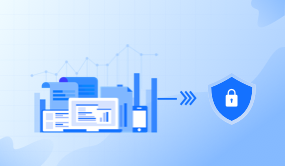

In the world of retail, having access to comprehensive sales data is crucial for making informed business decisions. This is where retail store databases play a pivotal role. A retail store database, such as the one provided by Shopify, contains valuable information about sales, customer behavior, and inventory management. By leveraging this data, retailers can gain insights into their customers' preferences, purchasing patterns, and the performance of their products.
One of the key uses of a retail store database is for retail same store sales data analysis. This involves comparing the sales performance of a retail store over a certain period, typically year over year. By analyzing the same store sales data, retailers can assess the effectiveness of their marketing strategies, product promotions, and overall business growth. This analysis provides valuable insights into the health of individual retail stores and helps in making data-driven decisions to drive sales and profitability.
Another important aspect of retail store databases is the compilation of retail customer databases. These databases contain detailed information about customers, including their purchase history, contact details, and preferences. By analyzing this data, retailers can personalize their marketing efforts, tailor promotions to specific customer segments, and enhance customer satisfaction. This, in turn, leads to improved customer retention and loyalty.
In recent years, the concept of proxy stores has gained prominence in the retail industry. A proxy store, also known as a proxy retail store, is a virtual or physical storefront that represents the products and services of another retailer. Proxy stores enable retailers to expand their reach and access new markets without the need for establishing a physical presence in those locations. By leveraging retail store databases, retailers can identify potential proxy-store opportunities, analyze the performance of proxy stores, and make informed decisions about expanding their presence through this model.
In conclusion, retail store databases are invaluable assets for retailers looking to understand and optimize their sales performance. From retail same store sales data analysis to the management of retail customer databases and the exploration of proxy store opportunities, these databases provide a wealth of actionable insights. By harnessing the power of data, retailers can drive growth, enhance customer experiences, and stay ahead in the competitive retail landscape.
Trang web này dùng cookie để cải thiện trải nghiệm người dùng. Để tìm hiểu thêm về chính sách cookie của chúng tôi hoặc để thoát khỏi nó, hãy xem chính sách cookie của chúng tôi
Chính sách riêng tưvà
Cookie Thỏa thuận